
Avoidance / reduction
Emissions that would have happened are lowered. Example: solar electricity displacing fossil generation on a grid under an approved methodology.

Basics · ~12 min read
A plain-language briefing for teams that need to buy — or challenge — carbon credits with confidence. Written for sustainability, procurement, and finance together.
In voluntary markets — and in many compliance-adjacent conversations — a carbon credit typically represents one metric tonne of carbon dioxide equivalent (tCO₂e) reduced, avoided, or removed relative to a defined baseline.
Credits are serialized on registries so each tonne can be tracked from issuance to retirement. Until retirement, a credit can usually be transferred between accounts. After retirement, it is permanently taken out of circulation and typically linked to a beneficiary name and claim purpose.
That serial trail is what allows auditors, assurance providers, and skeptical stakeholders to ask: which tonnes, from which project, for which period?
If you cannot point to a retired serial (or a clear holding awaiting retirement), you do not yet have a complete credit claim.
Not all credits do the same climate job. At a high level:
Emissions that would have happened are lowered. Example: solar electricity displacing fossil generation on a grid under an approved methodology.
CO₂ is drawn down from the atmosphere — for example through certain nature-based or engineered pathways — then accounted under removal rules.
INFINITNEX specializes in solar-linked avoidance/reduction credits: clean electricity with a measurable counterfactual on the grid. That does not make every solar credit automatic high quality — diligence still matters — but it gives buyers a clearer measurement story.
Quality starts long before a broker quote. A simplified lifecycle:
Credit lifecycle
Misunderstanding credits creates claim risk even when intentions are good. Credits are not:
Diligence — methodology, additionality, monitoring, and ownership of environmental attributes — is what separates a defendable purchase from a reputational liability.
Independent standards define rules for project design, monitoring, and verification. Registries issue and track serial numbers. Buyers should know:
INFINITNEX surfaces these details in every shortlist — alongside Integrity Framework scores — so your team is not buying on adjectives alone.
The counterfactual scenario used to estimate what emissions would have been without the project.
Whether the reductions would likely occur without carbon finance or related incentives.
The monitoring period that produced the issued credits you are considering.
Permanently removing a credit from circulation, usually for a named beneficiary’s claim.
Carbon dioxide equivalent — a common unit for comparing greenhouse gases.
Monitoring, reporting, and verification — the evidence chain behind issuance.
Leading practice is sequenced: inventory emissions, set reduction targets, cut what you can, then neutralize residuals with high-integrity credits. Be precise in public language — overclaiming is how good purchases still create bad headlines.
INFINITNEX focus
Solar projects generate electricity that can be metered and compared against grid emission factors under approved methodologies. That transparency helps boards and auditors follow the maths — when additionality and attribute ownership also hold up.
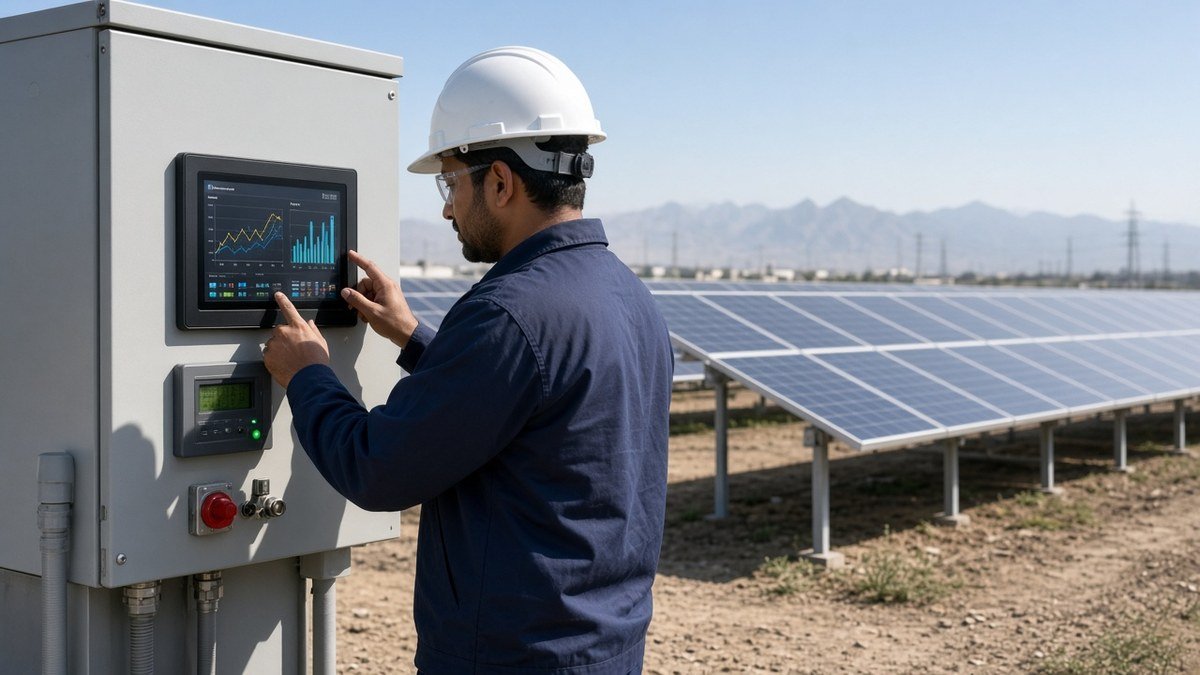
Generation data from solar plants is observable — a practical advantage versus harder-to-measure interventions.

Grid factors, title, REC overlap, and additionality can still fail. Specialization does not mean automatic approval.

Use solar credits after reduction measures — as part of a sequenced climate strategy, not a shortcut.
FAQ
That is the standard unit definition in most voluntary market contexts (1 credit ≈ 1 tCO₂e). Always confirm the standard and methodology governing the specific credit you buy.
It depends on your boundary, residual calculation, credit quality, and the claim rules you follow. Overbroad product-level claims are a frequent risk. Align language with what was actually retired.
Not always. Many buyers retire through a partner in their name. Others hold inventory in their own account. Both paths can work with clear instructions.
Specialization keeps diligence deep and comparisons fair. Metered solar generation gives a clearer story for cross-functional buyer teams — when integrity gates are passed.
Continue reading
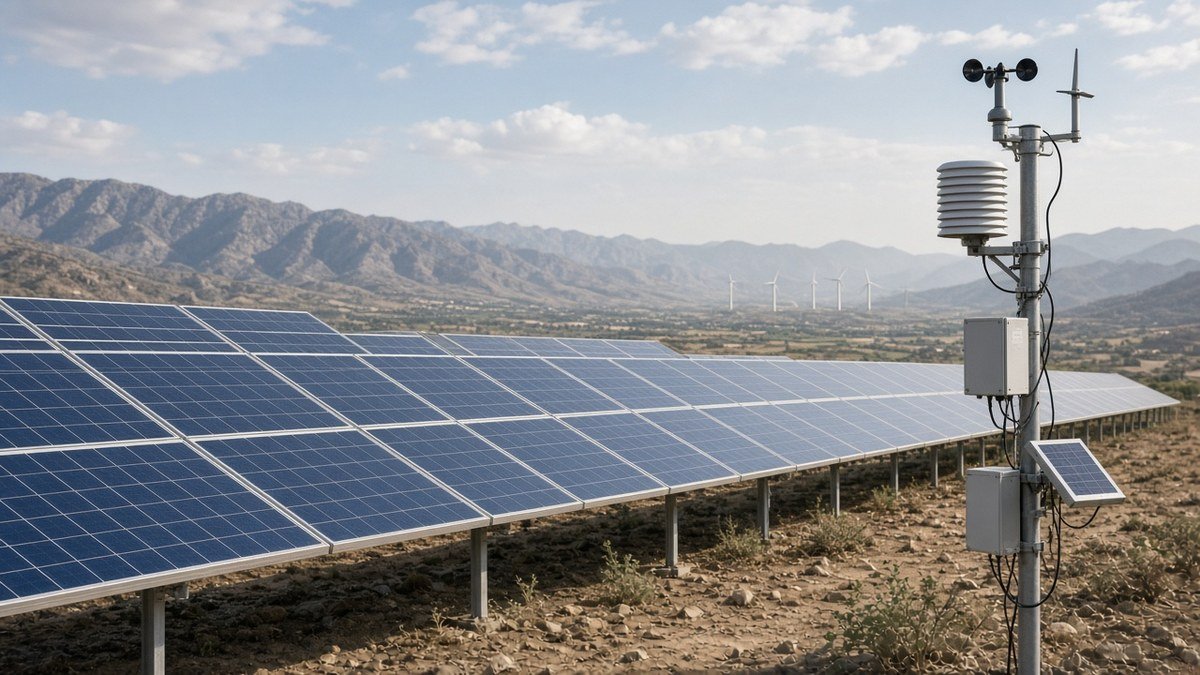
Follow generation data through verification to understand solar-linked tonne creation.
Read next →
Checklists for quality gates, red flags, and internal alignment.
Read guide →
What INFINITNEX sells — spot, offtake, and what you receive.
View credits →