Baseline & grid factor
Methodologies define how generation compares with a counterfactual — often the emissions intensity of the grid the plant connects to. Factor quality and updates matter for integrity.

Solar-backed carbon credits
INFINITNEX sells high-integrity credits linked to verified solar electricity — tonnes you can retire against residual emissions, with diligence and documentation your team can defend.
A carbon credit typically represents one metric tonne of carbon dioxide equivalent (tCO₂e) reduced or avoided compared with a defined baseline. Credits are issued only after monitoring, reporting, and independent verification under a recognized standard and methodology.
Buying a credit and retiring it on a registry means that tonne can no longer be sold to someone else — it supports your climate claim for that volume, with a serial trail auditors can check.
We specialize in credits from solar photovoltaic (PV) projects. Solar plants generate electricity without combustion. Where that power replaces dirtier grid supply, avoided emissions can be calculated using approved methodologies, grid emission factors, and project data such as generation, outages, and auxiliary loads.
That measurement story is easier for boards, procurement, and finance to follow than many harder-to-observe project types — without skipping the hard diligence questions on additionality and attribute ownership.
From sunlight to serial
Understanding the path helps your team ask better questions — and avoid buying tonnes that only look good on a slide.
Issuance path
Methodologies define how generation compares with a counterfactual — often the emissions intensity of the grid the plant connects to. Factor quality and updates matter for integrity.
The monitoring period that produced the credits. Buyers often prefer recent vintages aligned with their reporting year and claim framework.
Would the project’s reductions likely happen without carbon finance? Weak answers here are a common reason we reject inventory.
Power contracts and renewable certificates can overlap with carbon rights. We check for double-claim risk before shortlisting.
What sits behind the credit
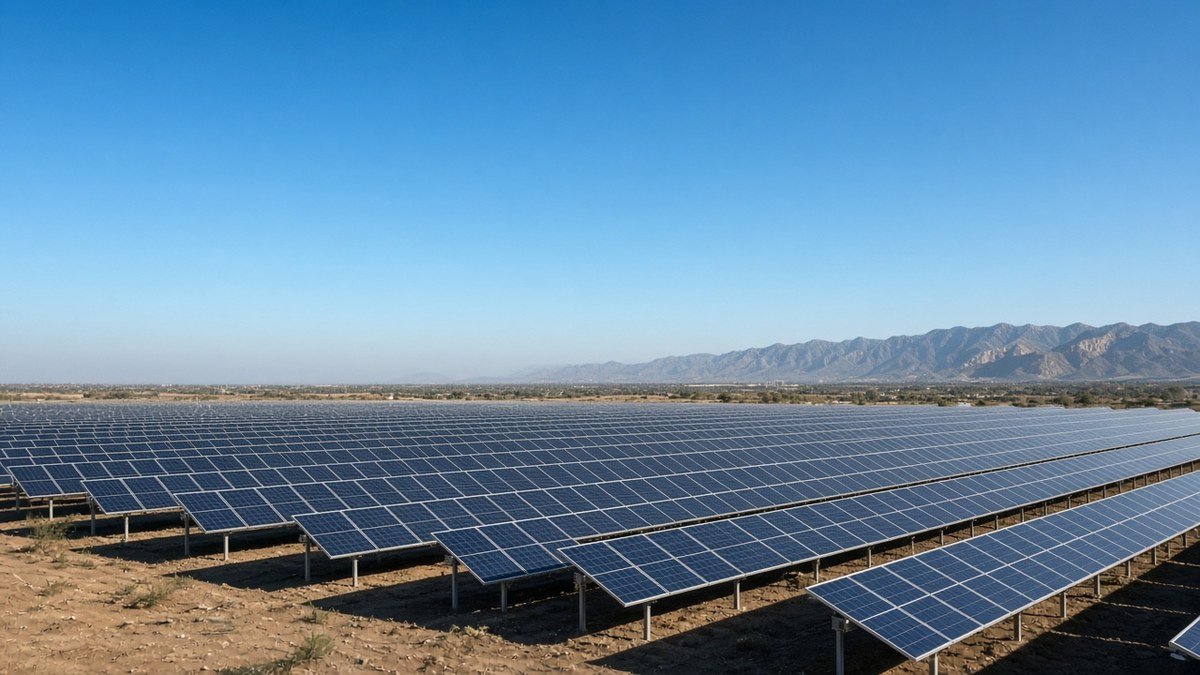
Large ground-mounted plants with robust metering and verification history — often the backbone of larger corporate volumes.
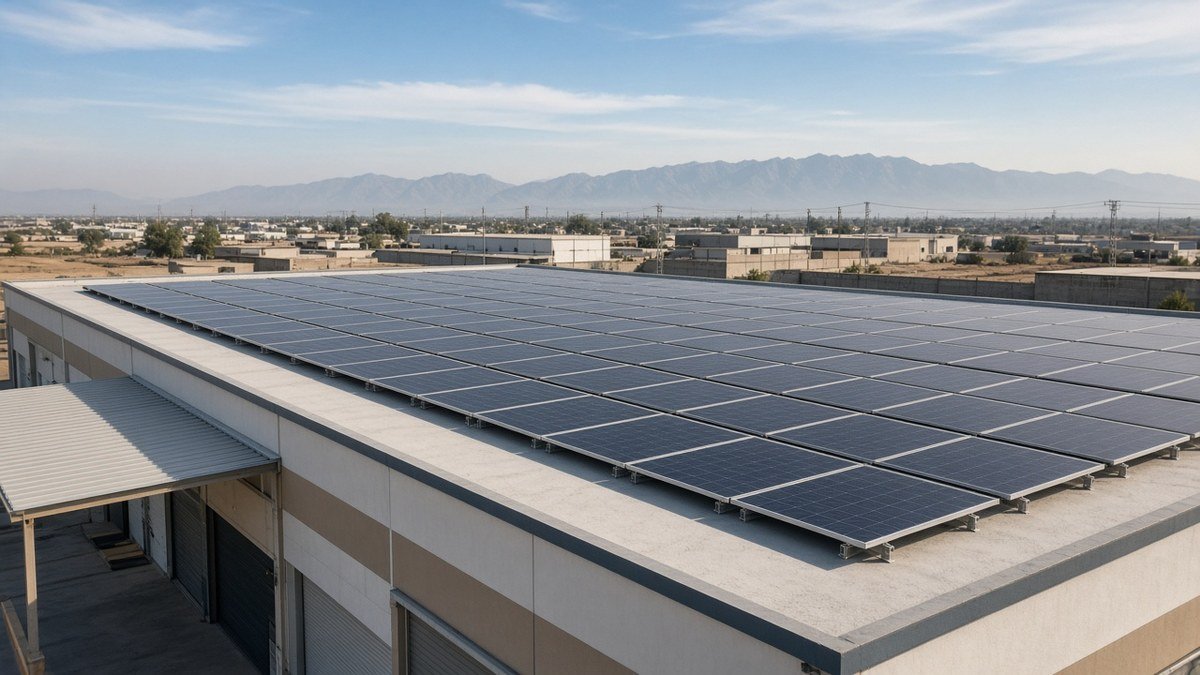
Rooftop or captive solar where methodology rules and carbon-rights ownership are clear enough for credible issuance.
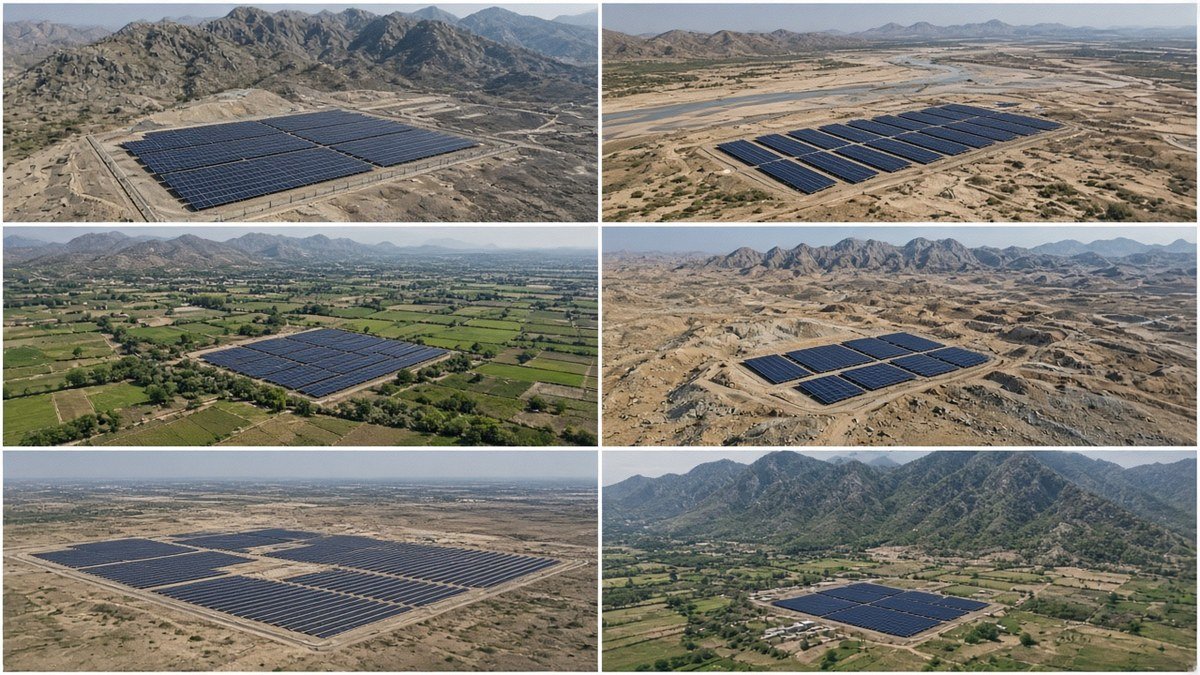
Bundled solar assets that smooth volume risk across sites and vintages — useful for multi-year offtake programs.
How you can buy
Choose the structure that matches your reporting calendar and climate roadmap — both are solar-backed, both go through diligence.

Option A
Buy available solar credits for a near-term reporting year. Ideal when residual volume is known and you need retirement proof on a deadline.

Option B
Secure future volumes from solar pipelines with agreed delivery windows. Useful when you want supply certainty and planning visibility.
Included with purchase
Purchasing tonnes is only the transaction. INFINITNEX bundles each sale with dossiers, scorecards, and retirement proof so procurement, finance, and sustainability share one file set.

Why solar credits
No credit type is automatically “perfect.” Solar’s advantage is clarity of measurement — when methodology and ownership hold up.
Before you buy
Know the tonnes you still need after reduction measures for the reporting period you care about.
Agree acceptable standards, vintage windows, geographies, and rules on renewable certificates.
Draft what you will say publicly before you retire — so marketing never outruns the evidence.
Match delivery structure to your timeline, budget process, and multi-year climate plan.
Use INFINITNEX diligence outputs so sustainability, procurement, and finance decide together.
Keep serials, certificates, and dossiers where audit and legal teams can find them later.
Responsible use
Best practice is clear: measure emissions, reduce what you can, then neutralize what remains with high-integrity credits. INFINITNEX supports that residual layer — especially when solar-linked tonnes fit your risk appetite and story.
See Integrity FrameworkFAQ
Straight answers for first purchases and internal alignment meetings.
Not always. Many buyers ask INFINITNEX to retire credits directly in their name. Others prefer holding inventory in their own account. We support both.
Price depends on project quality, vintage, volume, and delivery structure (spot vs offtake). We share indicative pricing with shortlisted options after scoping your needs.
Yes. Share your policy constraints early — we filter the solar shortlist to match your gates rather than pushing mismatched inventory.
Expect project references, integrity scorecards, commercial terms, and retirement serials/certificates. Optional communication packs help with external wording.
Buying solar power or certificates addresses energy attributes. Carbon credits address verified emission reductions under carbon-market rules. They can interact — which is why we review double-claim risk carefully.
Continue learning

Utility-scale, C&I, and portfolio structures — plus what we diligence on every asset.
View projects →
From discovery call to retirement proof — the steps your internal teams will follow.
See process →
Baselines, grid factors, and attribute ownership explained for non-specialists.
Read guide →